Poly Storage Tanks for Farms, Ranches, Dairies and Poultry Growers

Built for Every Kind of Farm
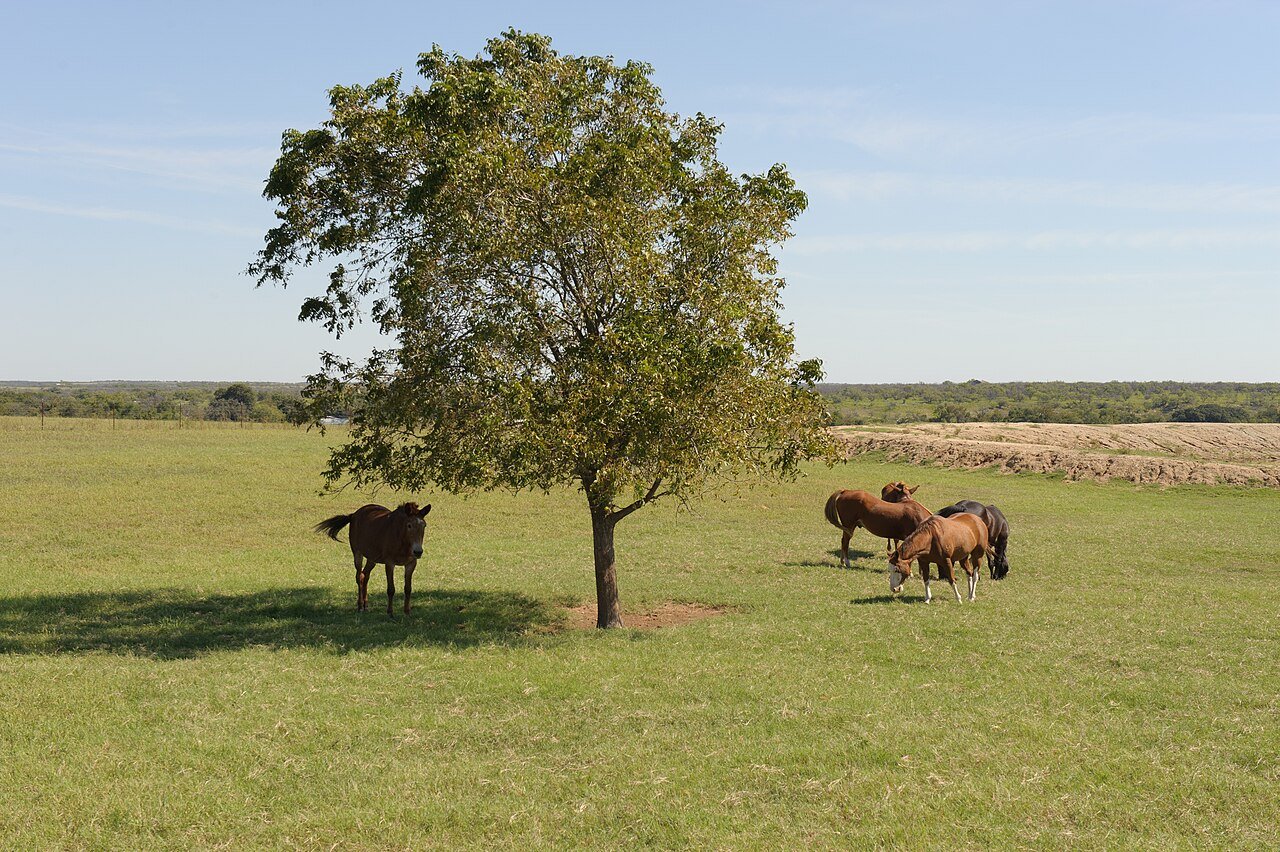
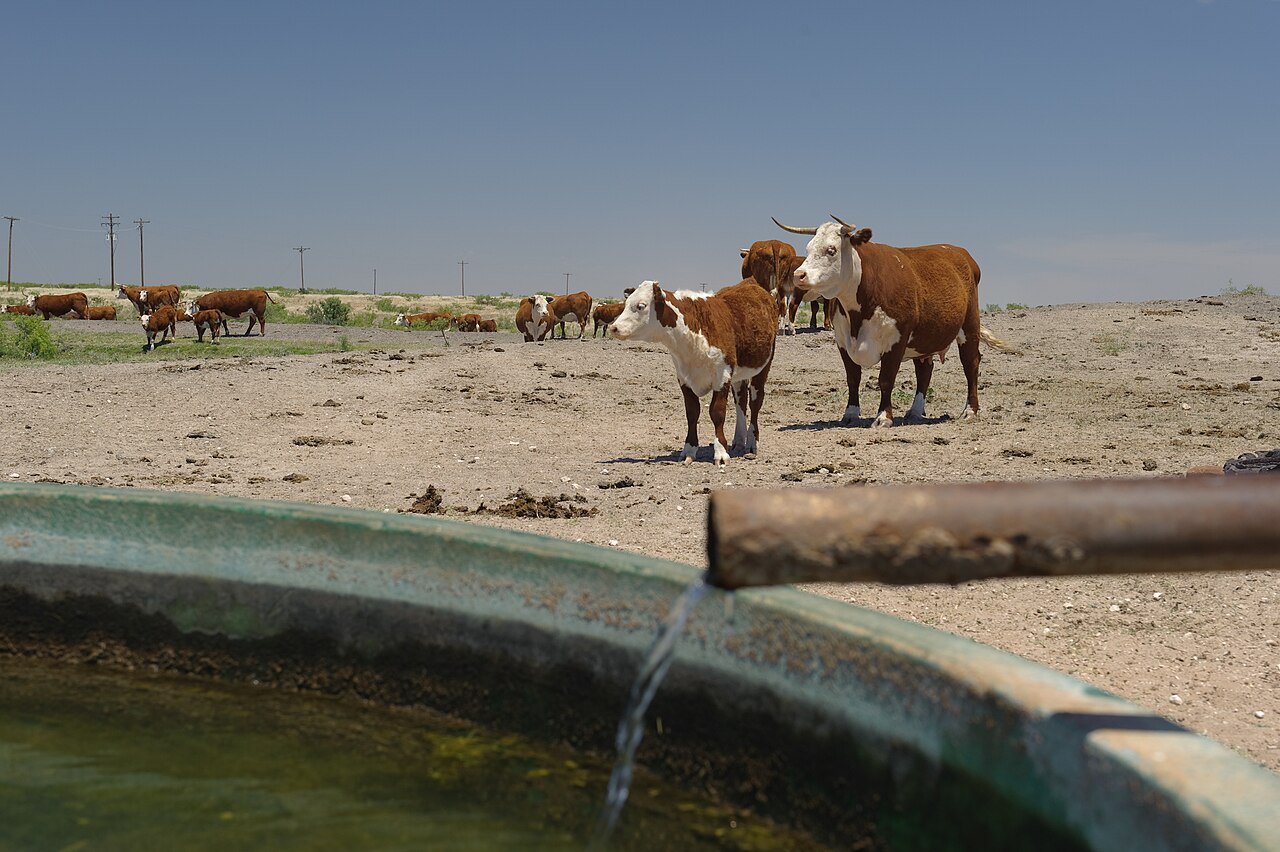 Livestock Water | 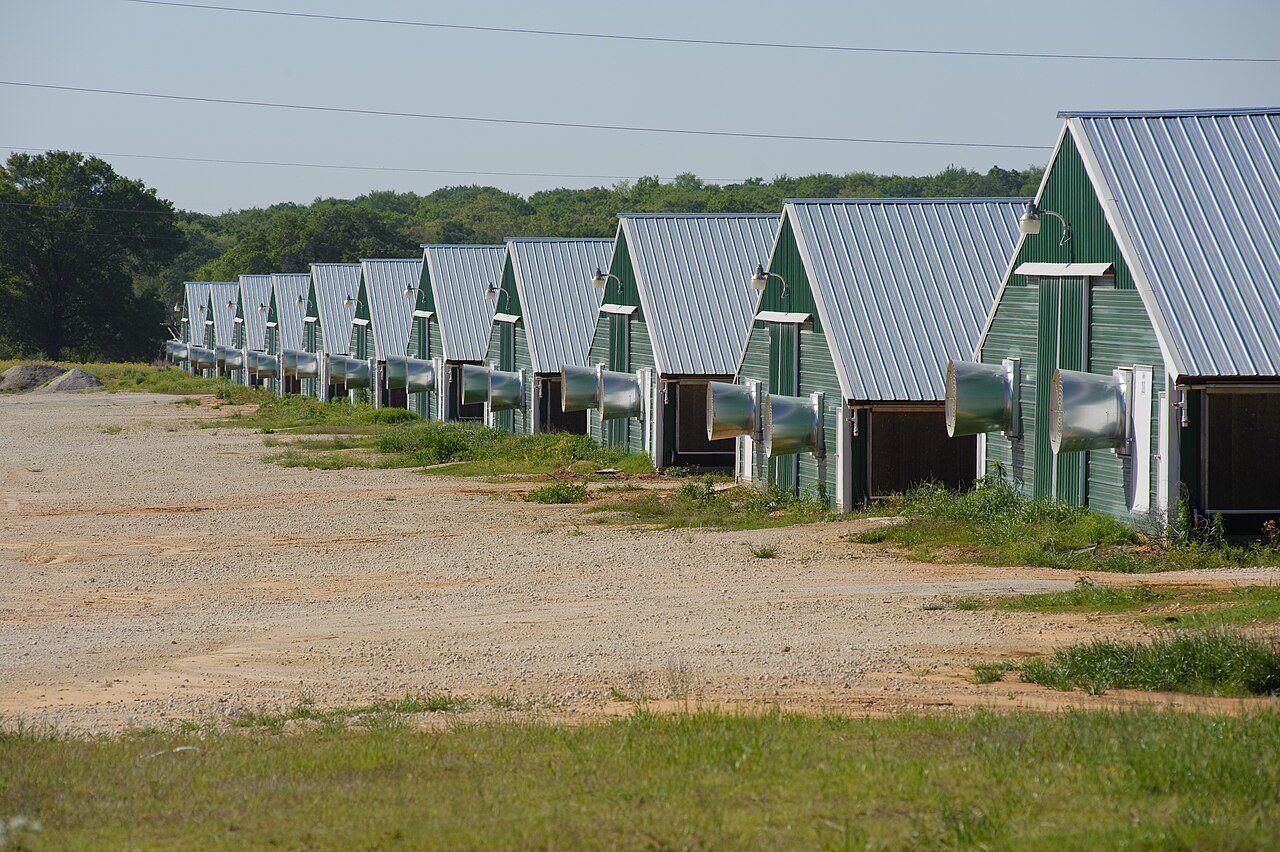 Poultry Farms | 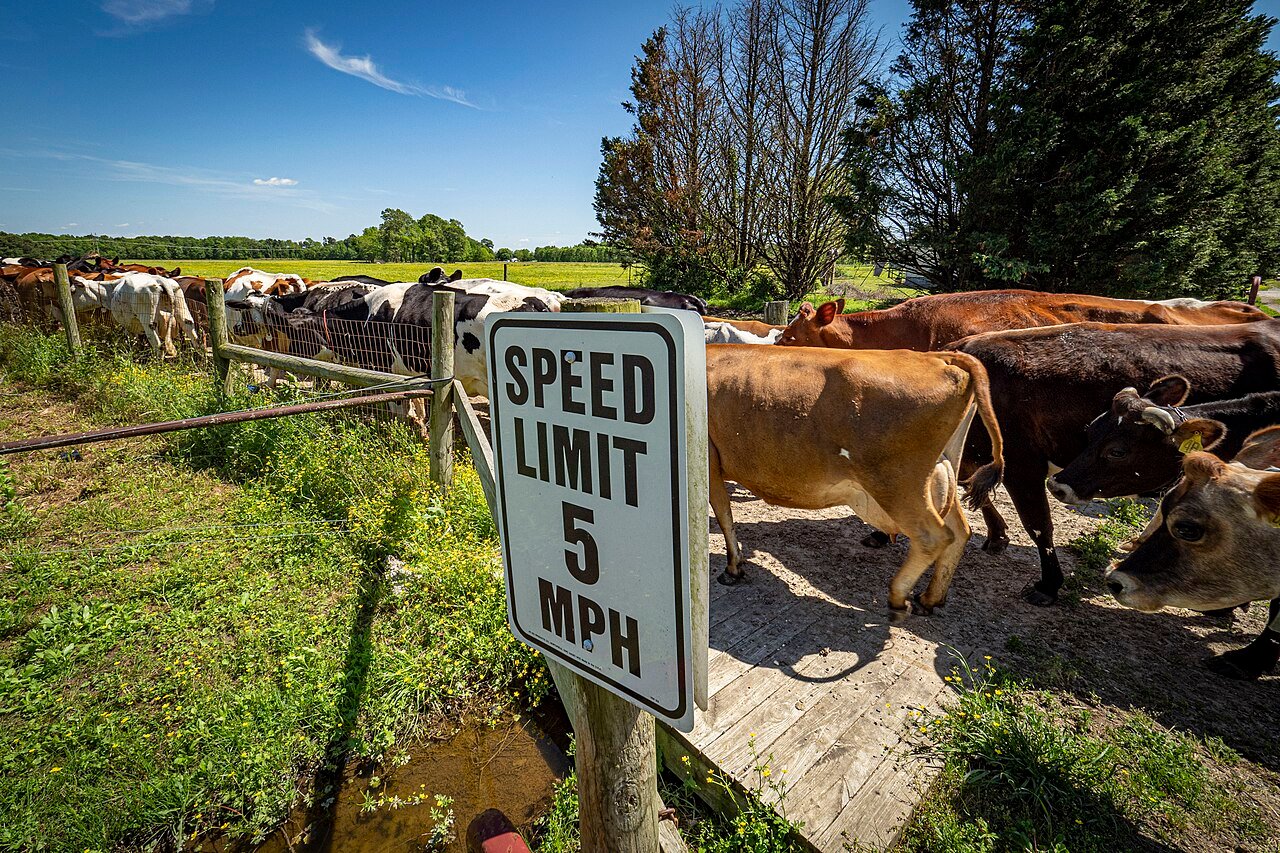 Dairies |
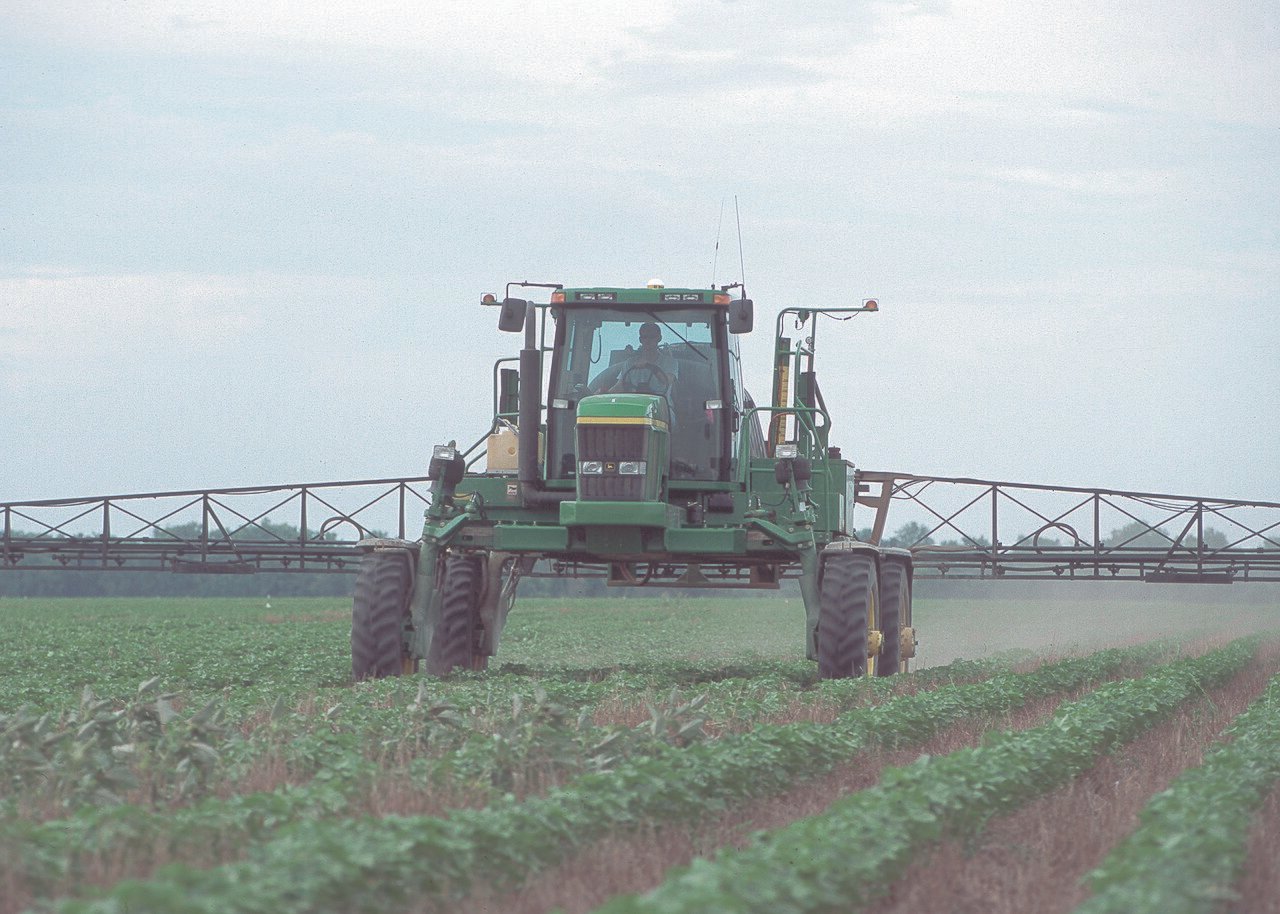 Liquid Fertilizer | 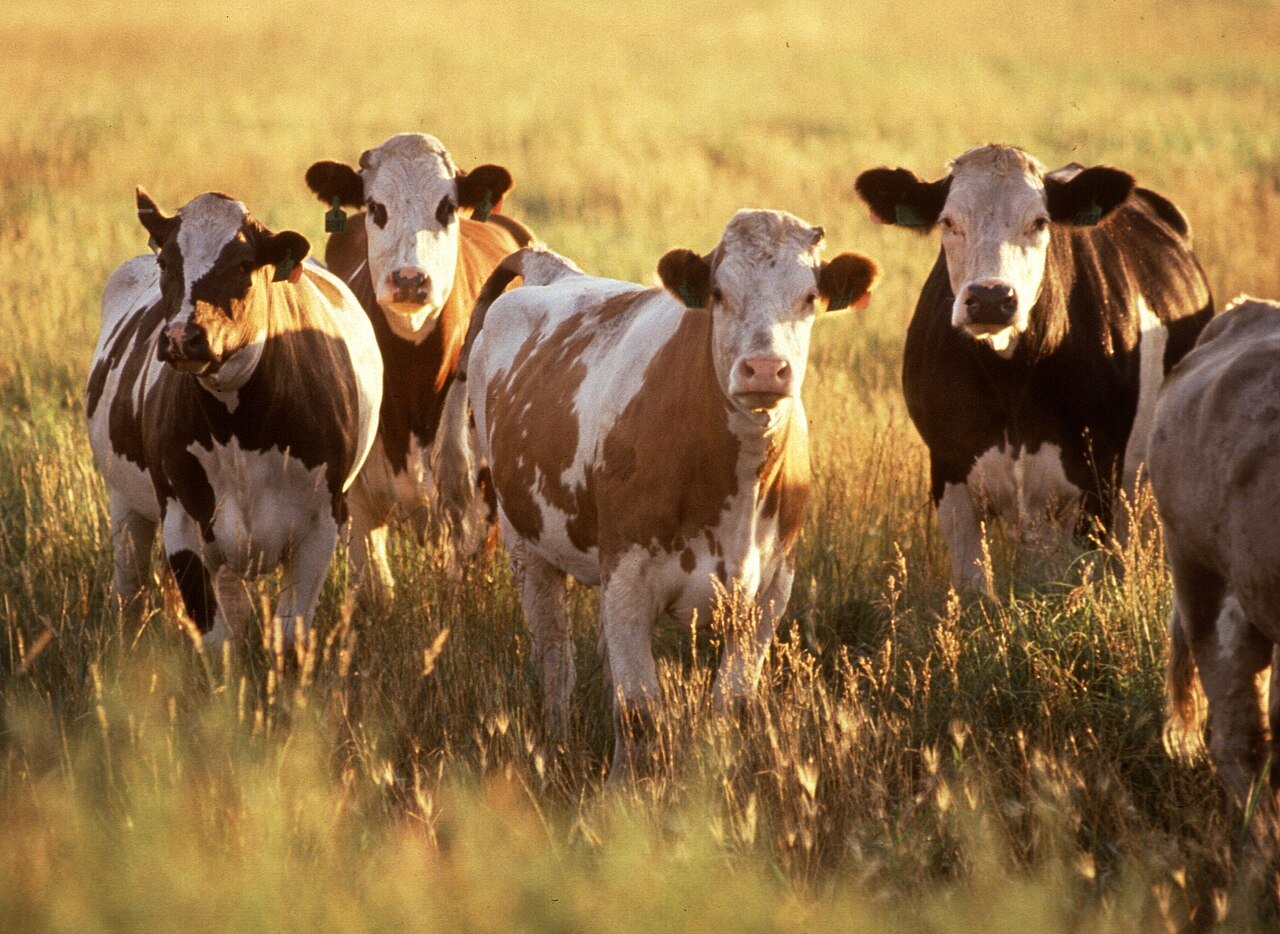 Liquid Feed | 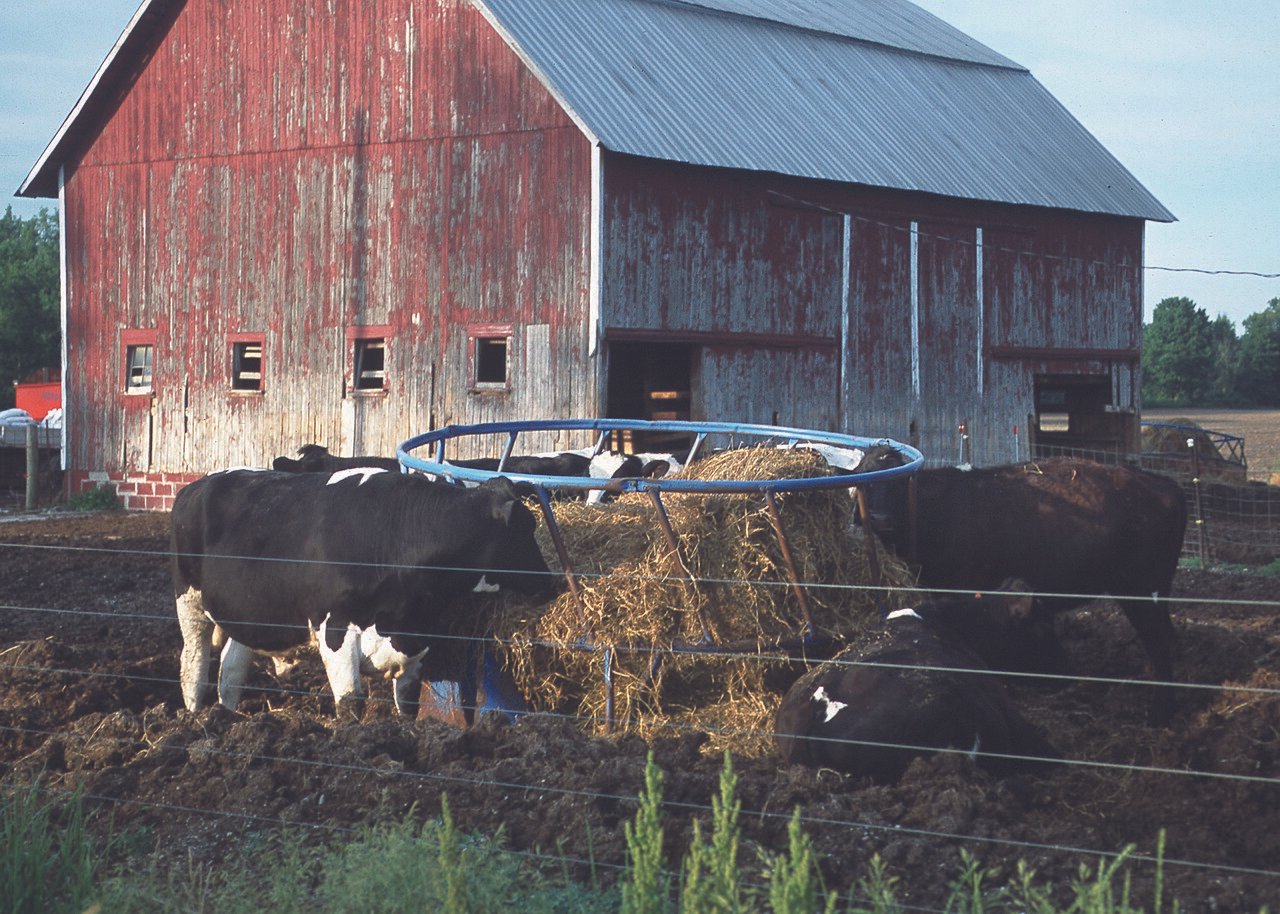 Rainwater Harvesting |
Farm photos: USDA and USDA NRCS (public domain), via Wikimedia Commons.
Best-Selling Tanks
The tanks our customers ordered most over the last 12 months. Click any tank for sizes, drawings and a quote.
 1,550 Gallon HDPE Vertical Tank 1.9 SG · 64" diameter |  300 Gallon HDPE Black Vertical Tank 1.9 SG · 35" diameter | 300 Gallon HDPE Vertical Tank 1.9 SG · 35" diameter |  1,000 Gallon HDPE Vertical Tank 1.9 SG · 60" diameter |
Shop by Tank Style
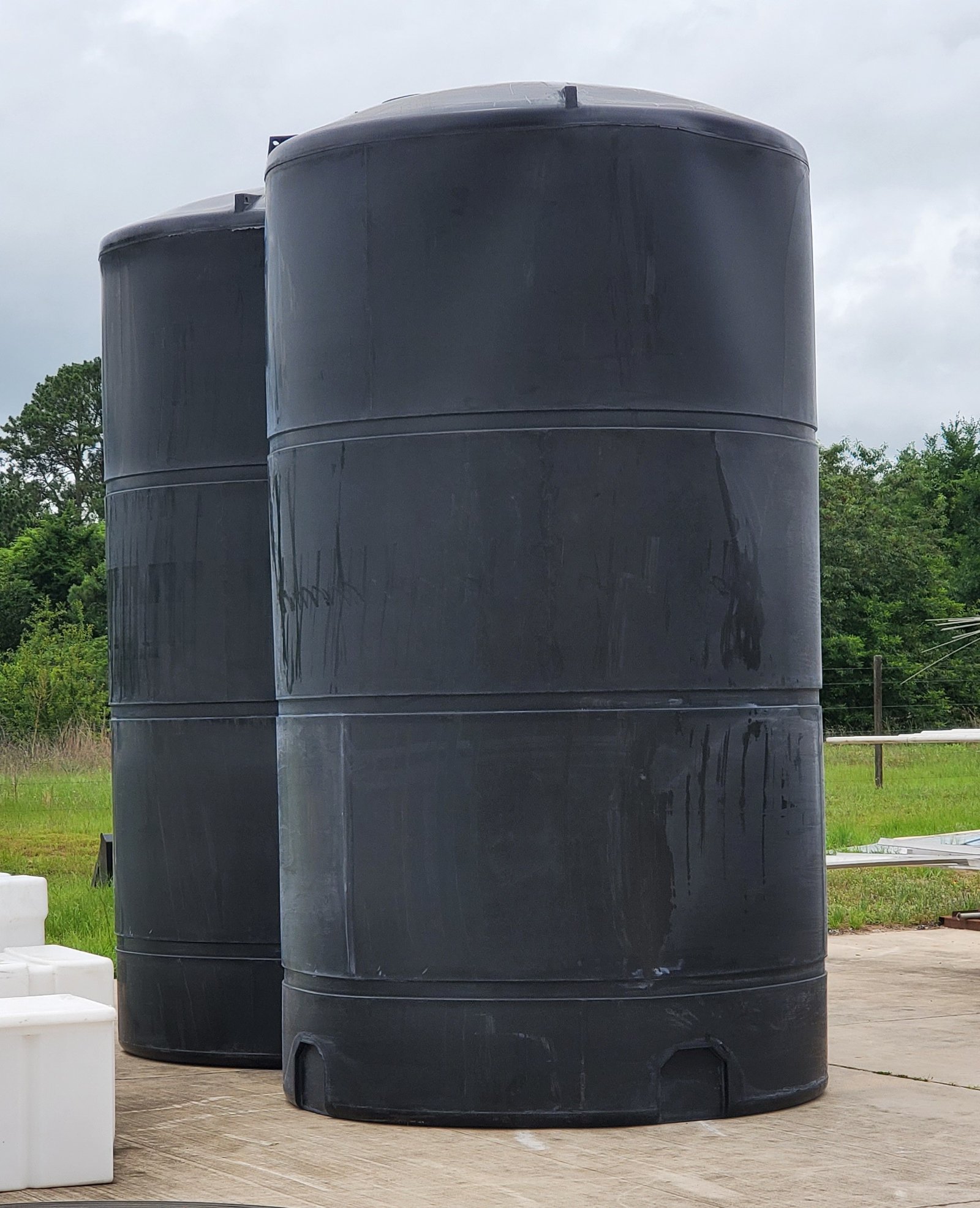 Water Tanks | 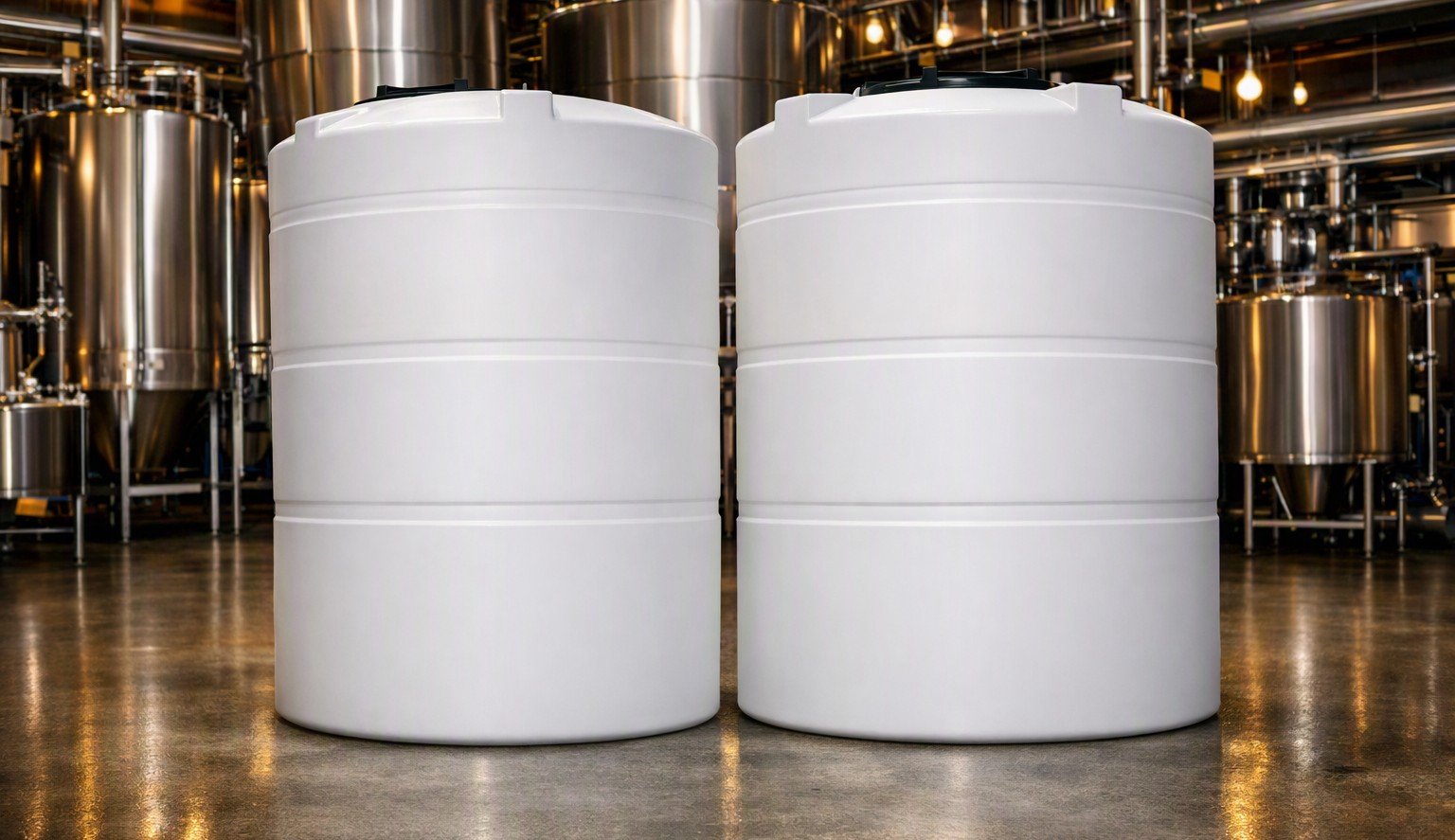 Vertical Tanks |  Horizontal Tanks |
 Cone Bottom Tanks |  Open Top Cones | 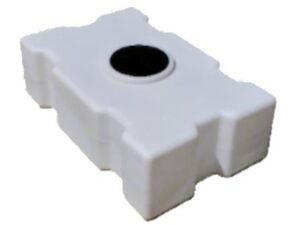 Rectangular Tanks |
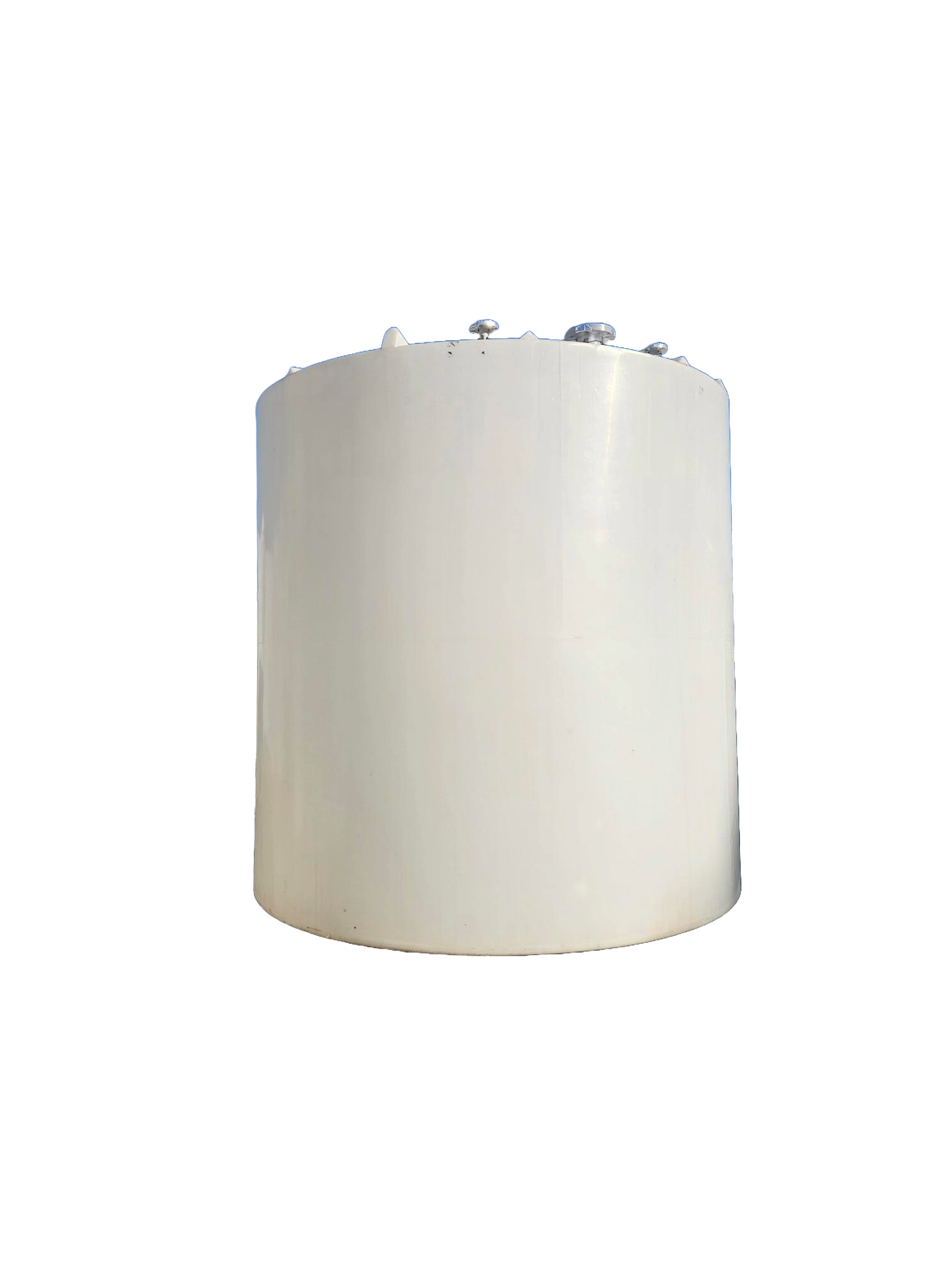 Hot Water Tanks (Polypropylene) | 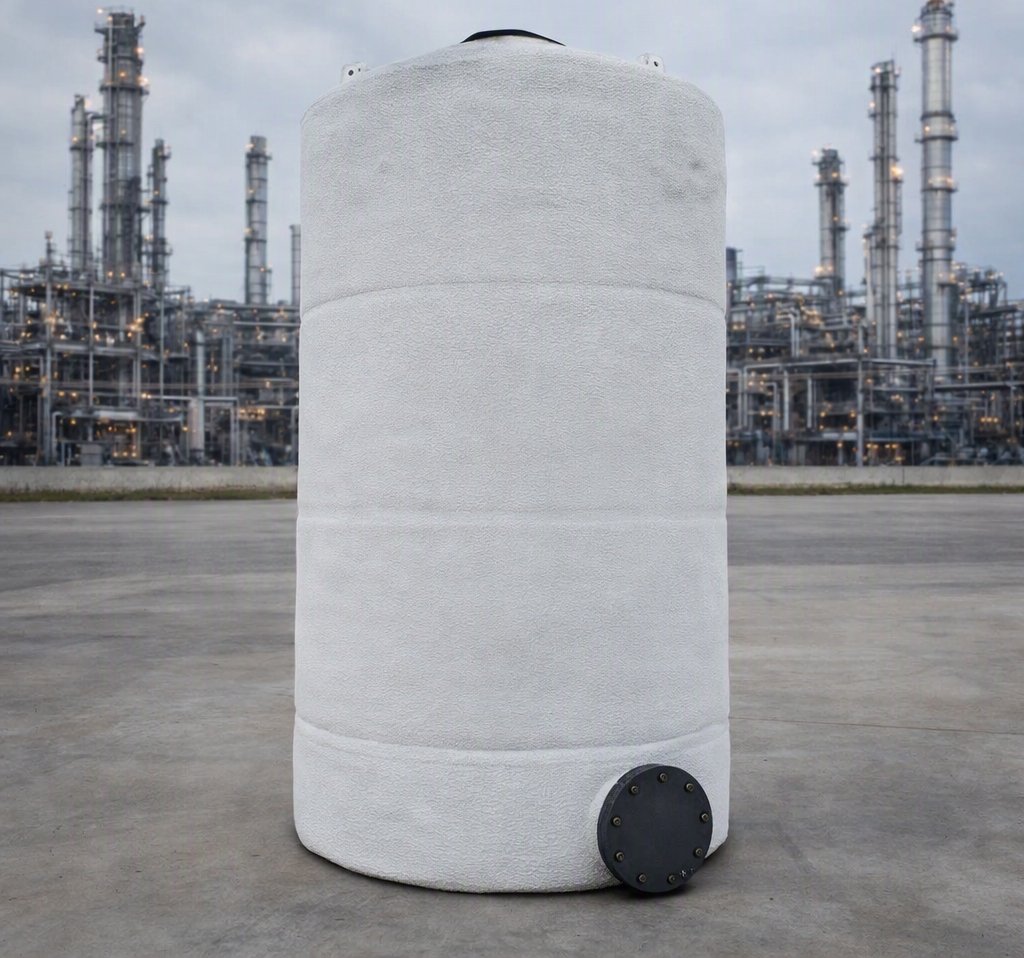 Insulated Tanks | 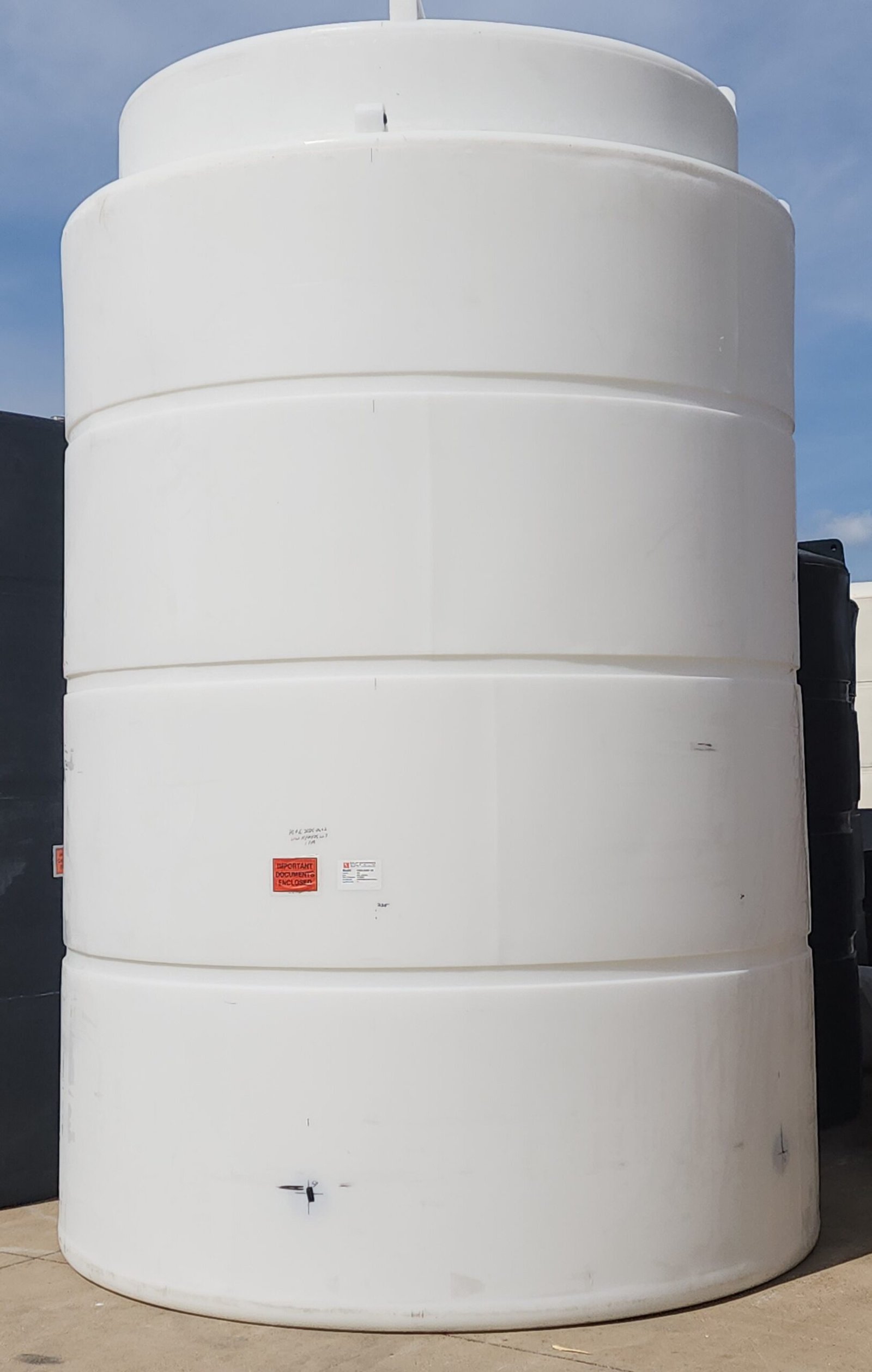 Double Wall Tanks |
How Big a Tank Do You Need?
Size a farm tank from three numbers: how much water your animals or operation use in a day, how many days of reserve you want if the well, pump or power goes down, and how quickly you can refill it.
| Animal | Gallons per head per day |
|---|---|
| Milking dairy cow | 35 to 45 |
| Dry dairy cow | 20 to 30 |
| Heifer | 10 to 15 |
| Beef animal | 8 to 12 |
| Horse | 12 |
| Goat | 2 to 4 |
| Sheep | 2 |
Typical figures from the Midwest Plan Service Private Water Systems Handbook, as published by UNH Extension. Animals drink more in hot weather and when milking or nursing, so size for your hottest month.
Example: 50 beef cows × 12 gallons × 3 days of reserve = 1,800 gallons. A 2,000 gallon tank covers that with room to spare. For a poultry farm, start from your peak daily meter reading per house; in summer a broiler house's cooling pads can use more water than the birds. Collecting rain? Each square foot of roof sheds about 0.6 gallon for every inch of rain, so a 2,000 square foot barn roof collects about 1,200 gallons from a 1 inch rain. More detail on the livestock, poultry, dairy and rainwater pages.
Choosing the Right Tank for the Job
| If you need | Look at |
|---|---|
| Drinking water that stays clear | Black or green water tanks, which block sunlight to help prevent algae |
| Liquid fertilizer or liquid feed | A tank with an SG rating at or above the product's (check its label or safety data sheet). Cone bottom tanks drain completely between products. |
| Fertilizer where containment is required | Double wall tanks. Check your state department of agriculture's rules first. |
| Hot wash water for the dairy | Polypropylene tanks, rated for continuous use up to 200 F |
| Water or feed that must not freeze or thicken | Insulation, with heat tracing for the coldest sites |
| Hauling water or fertilizer to the field | Horizontal leg tanks, which sit low on a trailer |
Common Questions
What size water tank do I need for 50 head of cattle?
Beef cattle drink about 8 to 12 gallons a head each day. At 12 gallons with three days of reserve, 50 head need about 1,800 gallons, so a 2,000 gallon tank is a good fit. Size up for hot weather or nursing cows.
How do I keep algae out of a water tank?
Algae needs light. Black and green water tanks block sunlight, which helps keep stored water clear.
What SG rating do I need for liquid fertilizer?
Most liquid fertilizers are heavier than water. Find your product's specific gravity on its label or safety data sheet, and choose a tank rated at or above it. Many of our tanks come in 1.5 and 1.9 SG.
Will a poly tank freeze in winter?
Water in an outdoor tank can freeze in a hard cold snap. Spray foam insulation slows heat loss, and heat trace pads under the insulation keep the contents above freezing.
Why Farmers and Ranchers Buy from Bailiff
- We rotationally mold tanks at our own plant in Willis, Texas, just north of Houston.
- One-piece seamless tanks with no welds or bolted seams to leak.
- Black and green water tanks block sunlight to help prevent algae.
- Polypropylene tanks rated for continuous use up to 200 F for dairy hot wash water.
- Tanks over 500 gallons meet or exceed ASTM D 1998 wall thickness standards, and every tank is hydrostatically tested before it leaves the plant.
- We install fittings where you need them: bottom outlets for trough floats, valves, vents and fill lines.
- Insulation and heat tracing for cold weather. Limited 3-year tank warranty.
★ Made in the USA ★ Willis, Texas ★