polystoragetank.com › Farm Uses › Dairy Tanks
Poly Tanks for Dairies
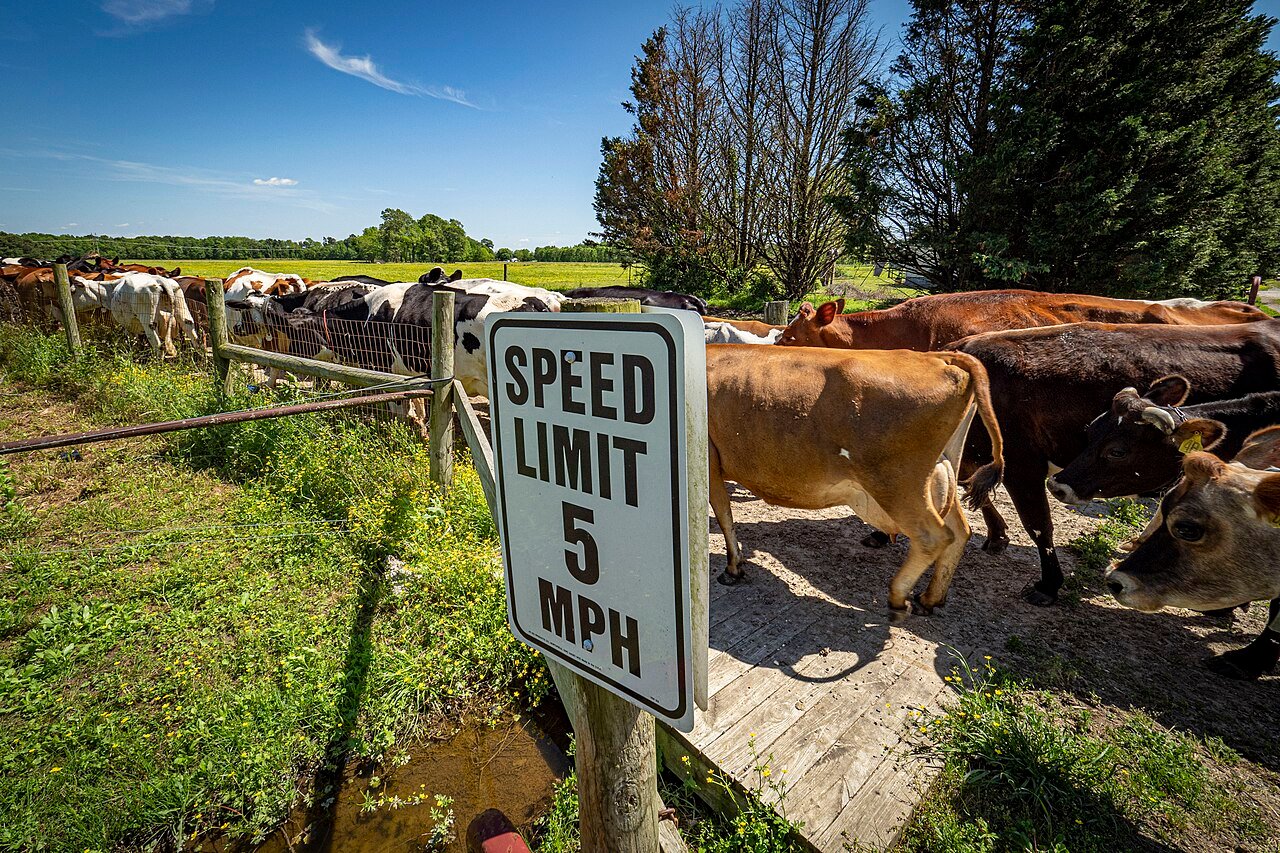

Drinking Water for the Herd
| Animal | Gallons per head per day |
|---|---|
| Milking dairy cow | 35 to 45 |
| Dry dairy cow | 20 to 30 |
| Heifer | 10 to 15 |
| Beef animal | 8 to 12 |
| Horse | 12 |
| Goat | 2 to 4 |
| Sheep | 2 |
Typical figures from the Midwest Plan Service Private Water Systems Handbook, as published by UNH Extension. Animals drink more in hot weather and when milking or nursing, so size for your hottest month.
A lactating cow drinks the most, so a milking herd needs far more storage than the same number of dry cows or heifers. See Livestock Water Tanks for sizing.
Wash Water
| Use | Typical water use |
|---|---|
| Milk pipeline system | 75 to 125 gallons per wash |
| Bucket milkers | 30 to 40 gallons per wash |
| Parlor floor hose-down | 50 to 100 gallons per wash |
| Milk house floor | 10 to 20 gallons per day |
Figures from the Midwest Plan Service handbook, as published by UNH Extension.
Hot Wash Water Needs Polypropylene
Dairy wash cycles start hot: dairy specialists recommend wash water at 160 F or higher at the start and 120 F or higher at the end, so milk fat and solids do not settle back onto the equipment. Our HDPE tanks are rated for continuous use up to 120 F, which is not enough. Our polypropylene tanks are rated for continuous use up to 200 F, and an insulated polypropylene tank holds that heat longer between washes.
Choosing Dairy Tanks
- Cold water: water tanks and HDPE vertical tanks.
- Hot wash water: polypropylene vertical tanks, 25 to 6,000 gallons, with optional insulation.
- Tell us what the tank will hold and how hot it gets, and we will confirm the right resin and SG rating.
★ Made in the USA ★ Willis, Texas ★